 EN

How to Source Marble Dining Tables for Hospitality Projects
A marble dining table for a hotel is not a retail furniture purchase. It is a project package that has to align with the dining concept, guest circulation, cleaning routine, base construction, delivery sequence, and the natural variation of the selected stone surface. For contractors, designers, and wholesale buyers, the useful starting point is a written scope—not a single hero image.
From an export-procurement viewpoint, a hospitality marble dining table should be compared by specification fit, sample-to-order alignment, packing, lead-time assumptions, and documentation needs. A dramatic surface may suit a focal restaurant zone, while a quieter stone selection may be easier to coordinate across many tables. That said, appearance is only one part of the decision.
Start with the hotel use zone and operating brief
Before choosing a marble dining table, define where it will be used and how the venue will operate. A breakfast area, lobby lounge, all-day restaurant, private dining room, and villa dining space can each require a different mix of visual impact, table turnover, cleaning access, and layout flexibility.
- Identify the intended table count, seating capacity, and preferred mix of round, square, or rectangular formats.
- Share the design intent: calm field, statement piece, matched set, or deliberately varied natural stone character.
- Clarify whether tables need to move after installation, whether service aisles are tight, and how deliveries reach the final room.
- State the anticipated cleaning routine and whether food, beverages, or frequent wet cleaning affect the surface discussion.
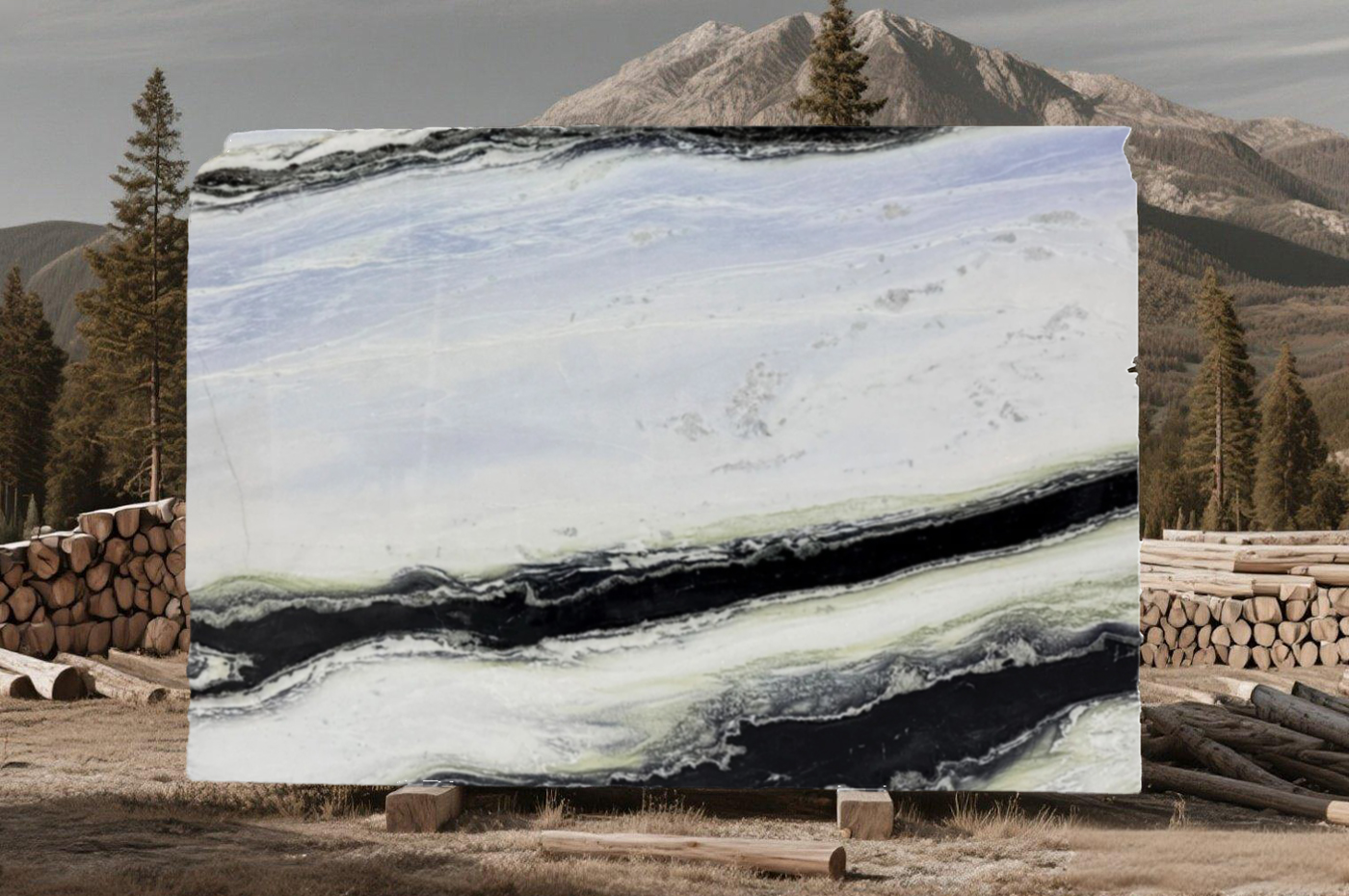
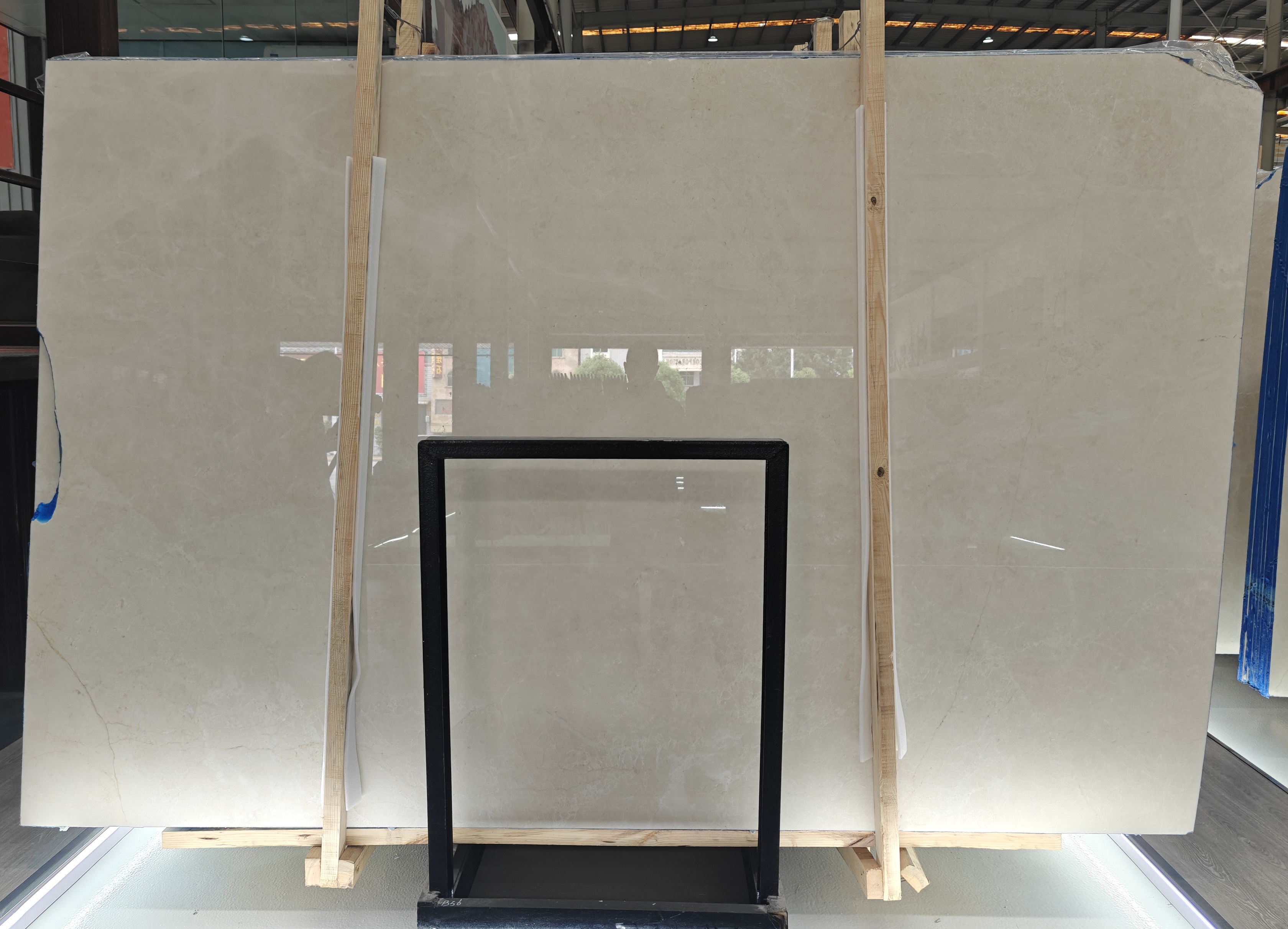
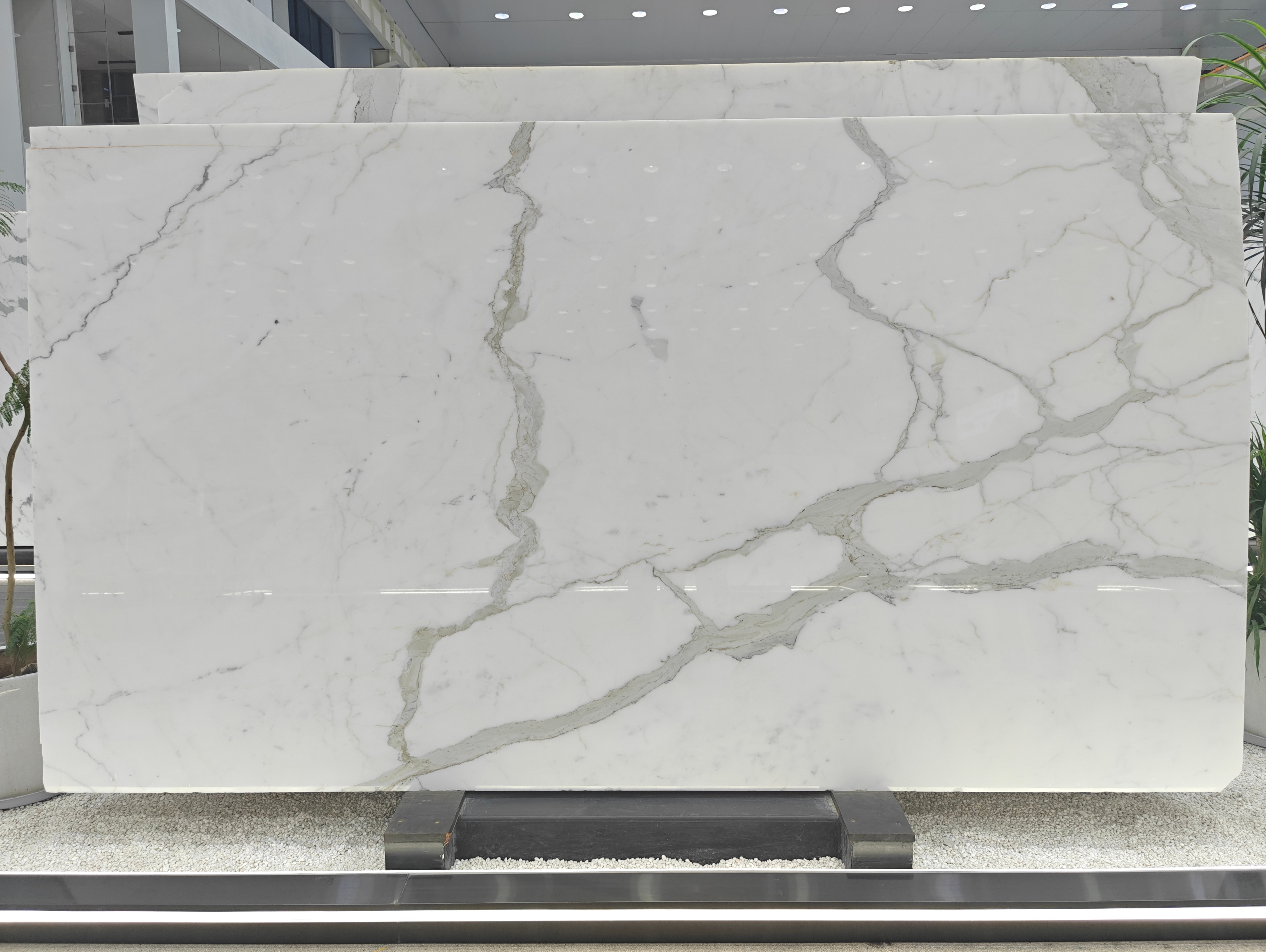
This sequence helps separate visual preference from project conditions. Natural marble has veining and color movement, so a small sample should be treated as an indication rather than a promise that every marble dining table will look identical. Ask to review representative slab images or sample ranges before confirming a large program.

Turn the concept into a marble table specification
A clear RFQ gives suppliers a practical basis for pricing and fabrication review. For each marble dining table, record finished top dimensions, desired edge profile, approximate top thickness, finish, underside treatment, base material, base footprint, and any requirements for knock-down construction or site assembly. If there is a center pedestal, the table base and top should be considered as one coordinated system rather than as separate decorative elements.
The Natural Stone Institute describes its Dimension Stone Design Manual as a source of design and construction information for dimension stone. For a hotel project, that is a useful prompt to request the relevant fabrication and support information—not a substitute for project-specific engineering review. Likewise, ASTM C503/C503M addresses material characteristics, physical requirements, and sampling for marble dimension stone; a design or procurement team can decide whether its contract documents need material-verification references.
| RFQ item | Why it matters | Question to confirm |
|---|---|---|
| Top geometry | Affects slab yield, weight, handling, and seating layout. | What are the finished size, shape, corners, and edge profile? |
| Stone selection | Controls visual range and sample-to-order expectations. | Will the buyer approve representative slab photos, samples, or a selection range? |
| Finish and protection plan | Connects the desired look to day-to-day use and maintenance. | What finish is proposed, and what care guidance will the operator receive? |
| Base and fixing concept | Influences stability, leg clearance, transport, and installation sequence. | Who confirms how the base joins to the top and the site assembly method? |
| Packing and delivery | Reduces ambiguity around handling and receiving. | How will tops, bases, and hardware be packed, marked, and sequenced? |
Review natural variation before approving production
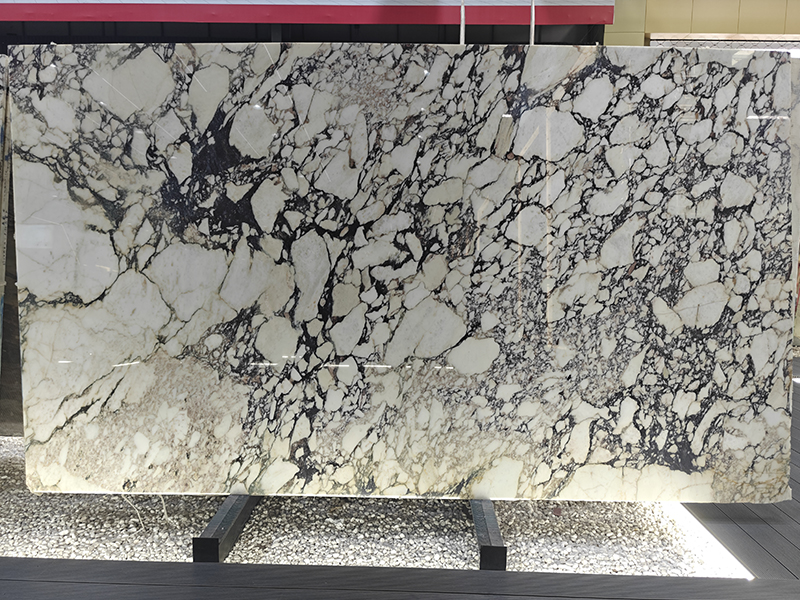
For a stone dining table program, variation is a design variable. Calacatta Viola, for example, can be selected for expressive color movement and veining, but the purchasing team should first decide how much movement is acceptable across the set. A marble dining table intended as a feature piece may benefit from bolder slabs; a repeated hotel dining layout may call for a documented range that supports visual continuity without pretending that natural stone is uniform.
Do not rely only on one small sample. Ask the supplier which visual checkpoints can be reviewed: sample, slab photographs, layout or cutting review where applicable, and finished-piece photographs before packing. If the project has a model room or signature table, define its approval route separately. This makes a stone dining table discussion more actionable than a simple color name on a quote.
Evaluate fabrication, base coordination, and hotel logistics together
A marble dining table can be visually successful and still create project friction if the base-to-top connection, lifting plan, or access route is not confirmed early. Check whether the stone top is shipped as one piece, whether a pedestal arrives separately, how any fixing points are coordinated, and who is responsible for receiving and moving the package at site. These questions matter especially for upper floors, small lifts, protected finishes, and phased restaurant fit-outs.
When reviewing a supplier, compare like for like. One quotation may cover only the stone top; another may include a complete base, finishing, packing, and coordination for assembly. Keep material price separate from finishing, base work, crating, and delivery scope. This prevents a low initial line item from masking items that the hotel project still needs to resolve.
For a design reference, the Calacatta Viola Marble Dining Table with Fluted Round Marble Legs provides a confirmed product-page starting point for discussing a fluted marble-leg concept. The page should not replace a project specification: dimensions, finish, stone selection, support details, and delivery requirements still need to be confirmed for the specific order.
Use a supplier checklist before placing the order
At decision stage, a marble dining table supplier should be able to respond to a focused coordination checklist. Request the commercial and technical information that matters to the project instead of relying on broad claims.
- Confirm the full finished-product scope, including top, base, hardware, finishing, and packing.
- Provide drawings or dimensioned confirmations for each table type and seating layout.
- Agree how stone variation is reviewed and who gives approval at each stage.
- Confirm how the tabletop, base, floor protection, and site assembly work are coordinated.
- Define packing marks, quantities per crate, delivery sequence, and receiving requirements.
- Record maintenance guidance appropriate to the agreed finish and hospitality operating plan.
Move from a decorative choice to a controlled procurement decision
The right marble dining table program depends on the hotel’s visual intent, the expected use zone, the desired variation range, fabrication coordination, and delivery plan. Start with a project brief, review stone as a range rather than a single sample, and make every scope boundary visible in the RFQ. Before finalizing, ask the supplier and project team to verify finish, dimensions, support concept, packing, and sample-to-order confirmation points. That approach gives architects, contractors, and buyers a clearer basis for selecting marble tables for hospitality projects.