 EN
EN

What Makes Natural Stone Countertops Suitable for Commercial Interiors?
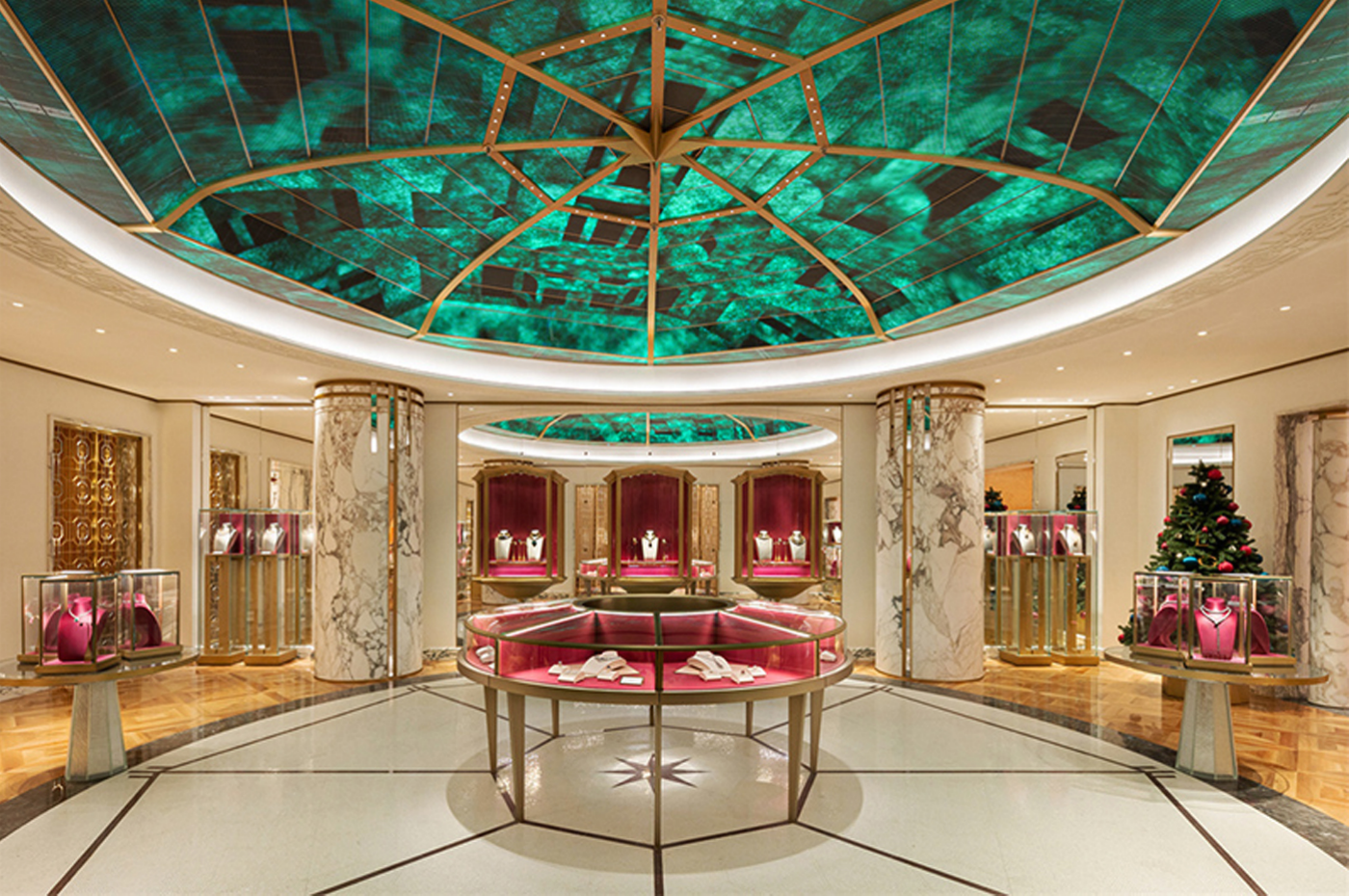
For a hotel lobby bar, a workplace pantry, a restaurant service counter, or a premium retail display, the surface is more than a horizontal finish. It has to support the visual brief, fit the traffic pattern, and arrive with details that can be fabricated and installed predictably. That is why natural stone countertops remain a relevant option for commercial interiors. They bring genuine geological variation, a broad palette of materials, and the ability to turn a functional counter into a durable design feature.
Architects, interior designers, contractors, and purchasing teams usually make more reliable decisions when they treat natural stone countertops as a coordinated project element—not as a late-stage slab choice. The material, layout, edge profile, cutouts, support conditions, and maintenance expectations all need to work together.
Natural material gives commercial spaces a distinct identity
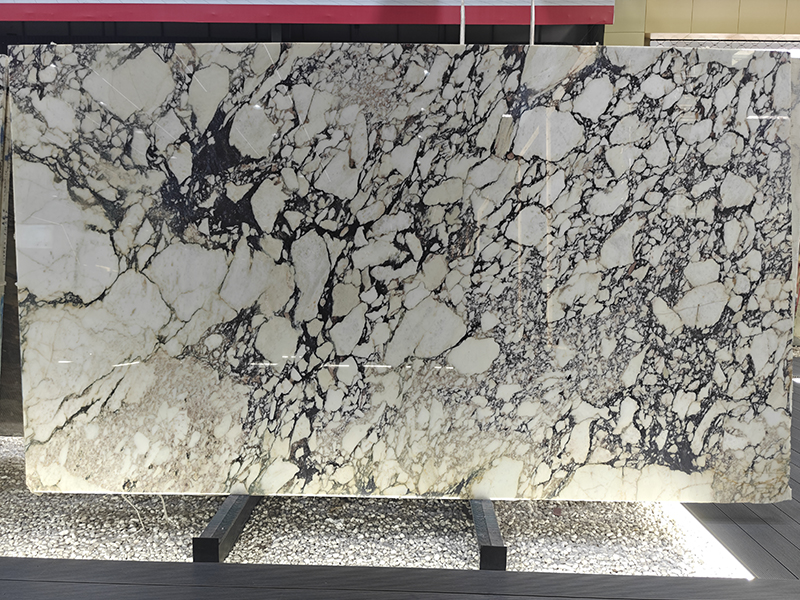
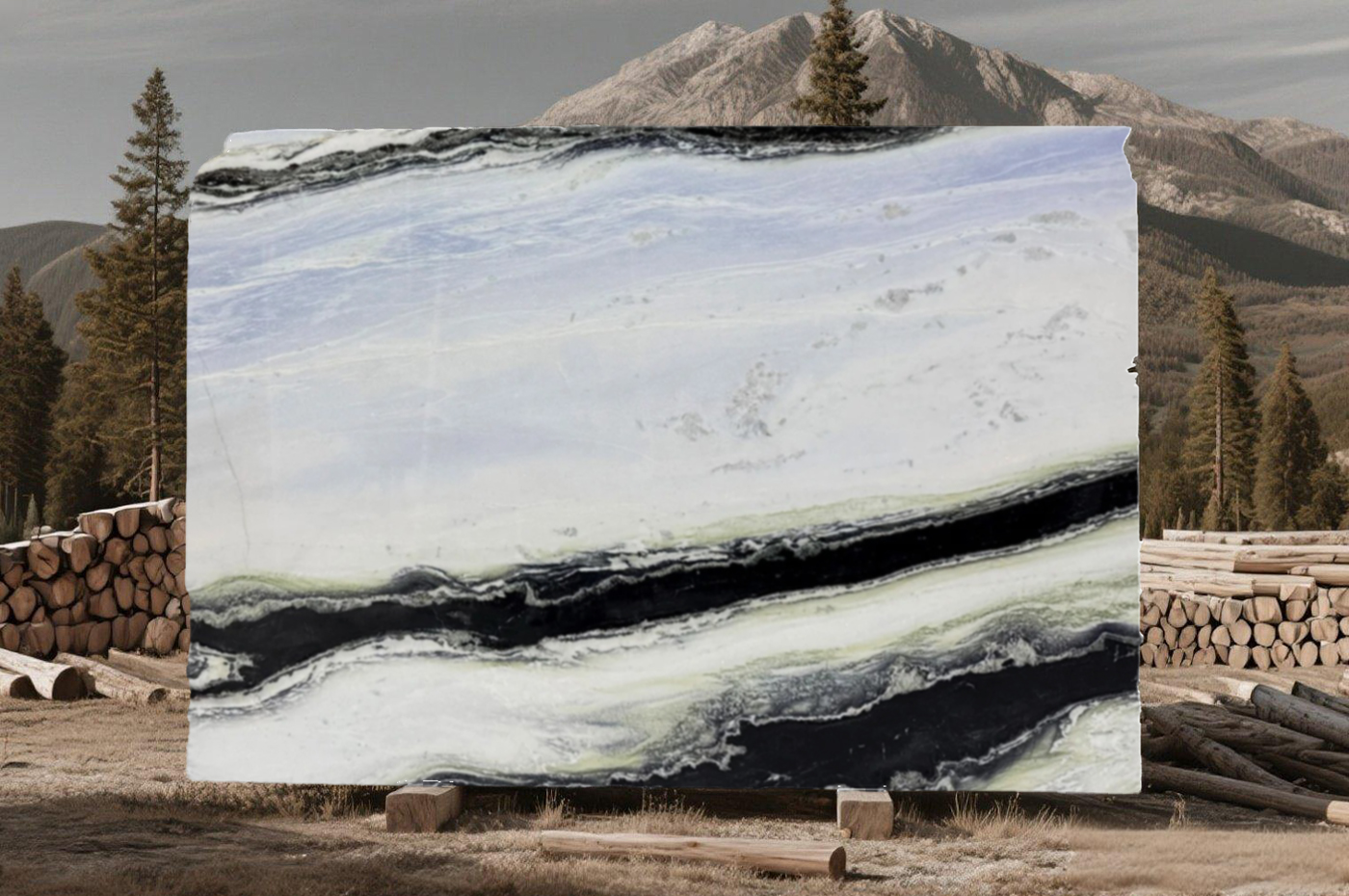
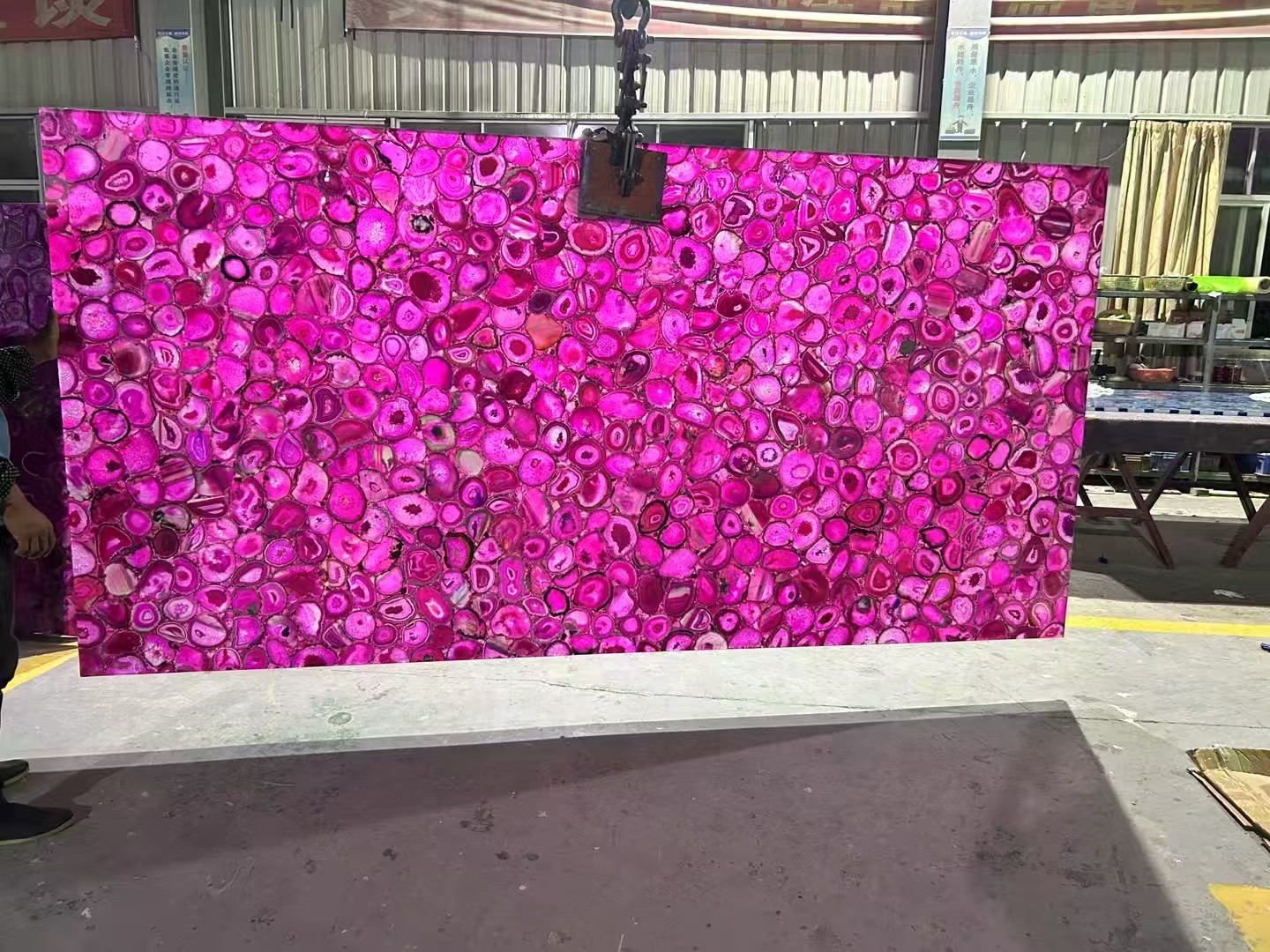
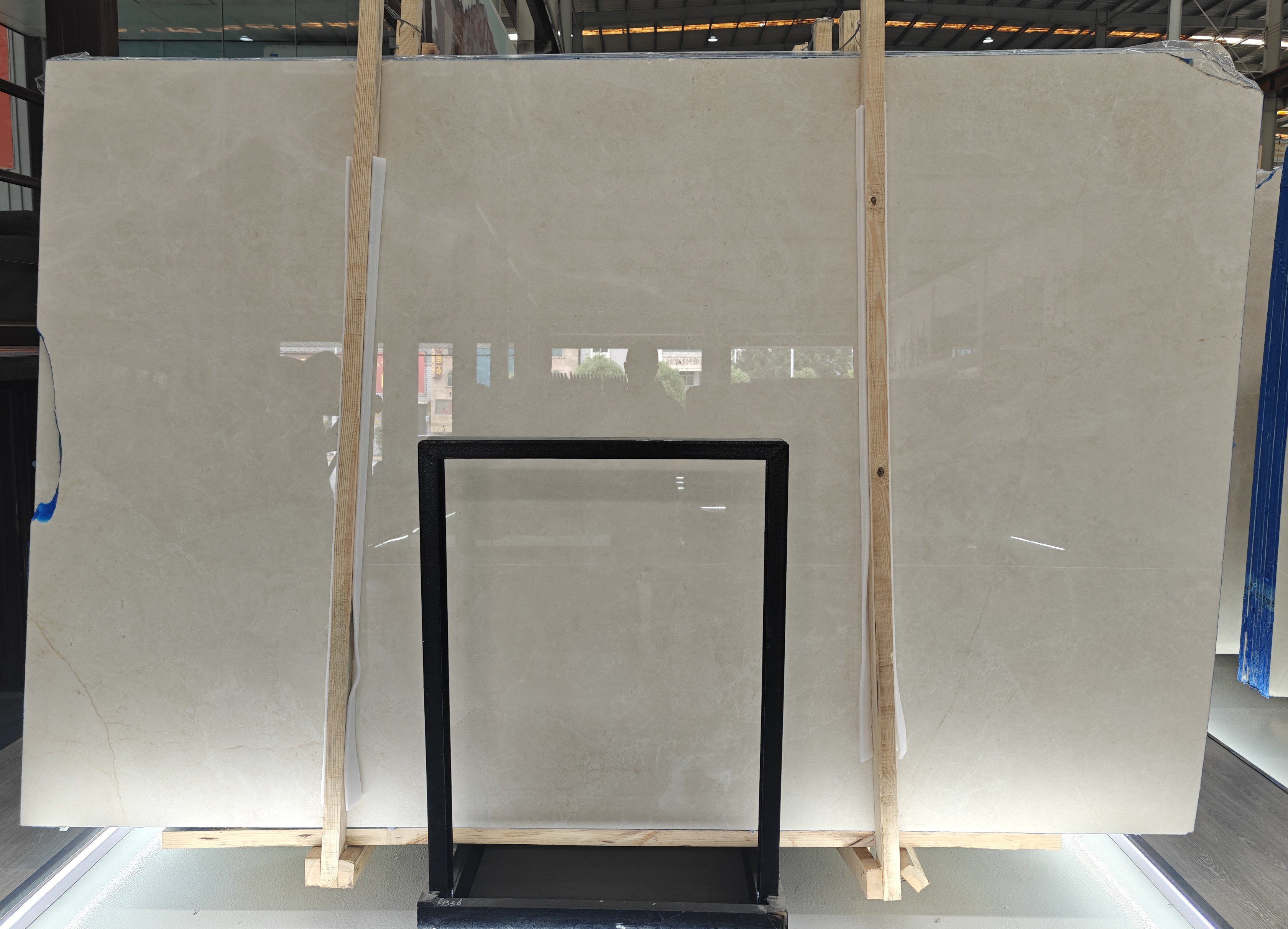
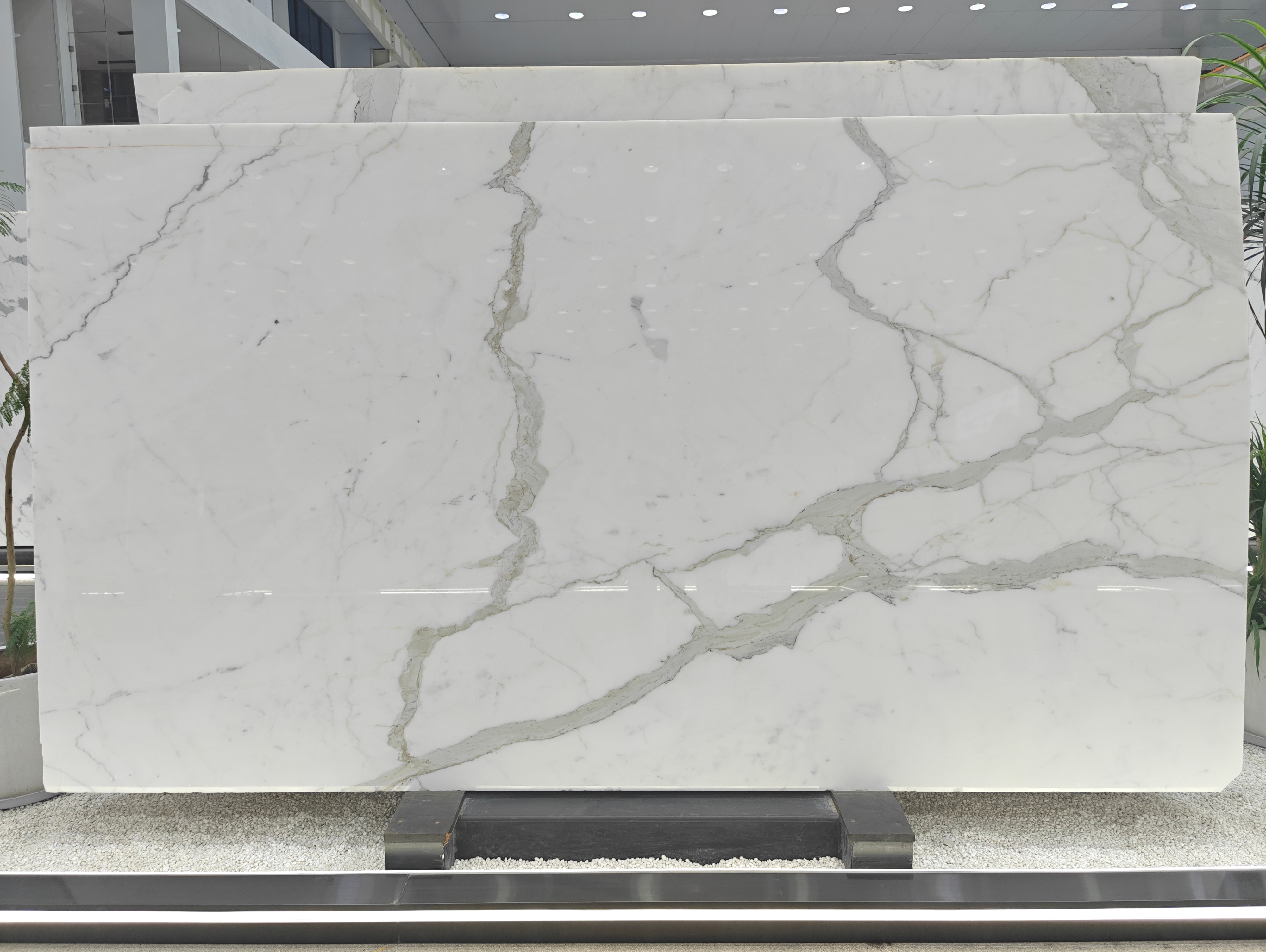
One reason natural stone countertops suit public-facing interiors is that every slab has its own veining, movement, and tonal variation. This gives reception desks, hospitality bars, meeting-area counters, and showroom displays a sense of depth that uniform surfaces may not provide. Marble can create a refined, expressive look; granite is often chosen for a more granular visual character; and quartzite can offer pronounced movement with a different aesthetic direction. The right choice depends on the project concept, the lighting plan, and how much variation the design team wants to feature.
For commercial work, the key is not simply selecting a dramatic slab. It is reviewing how the pattern will read across the full counter, return panels, backsplashes, and adjacent finishes. Bookmatching, vein direction, and seam placement should be discussed early so the finished composition feels intentional rather than assembled.
Natural stone countertops can serve many interior applications
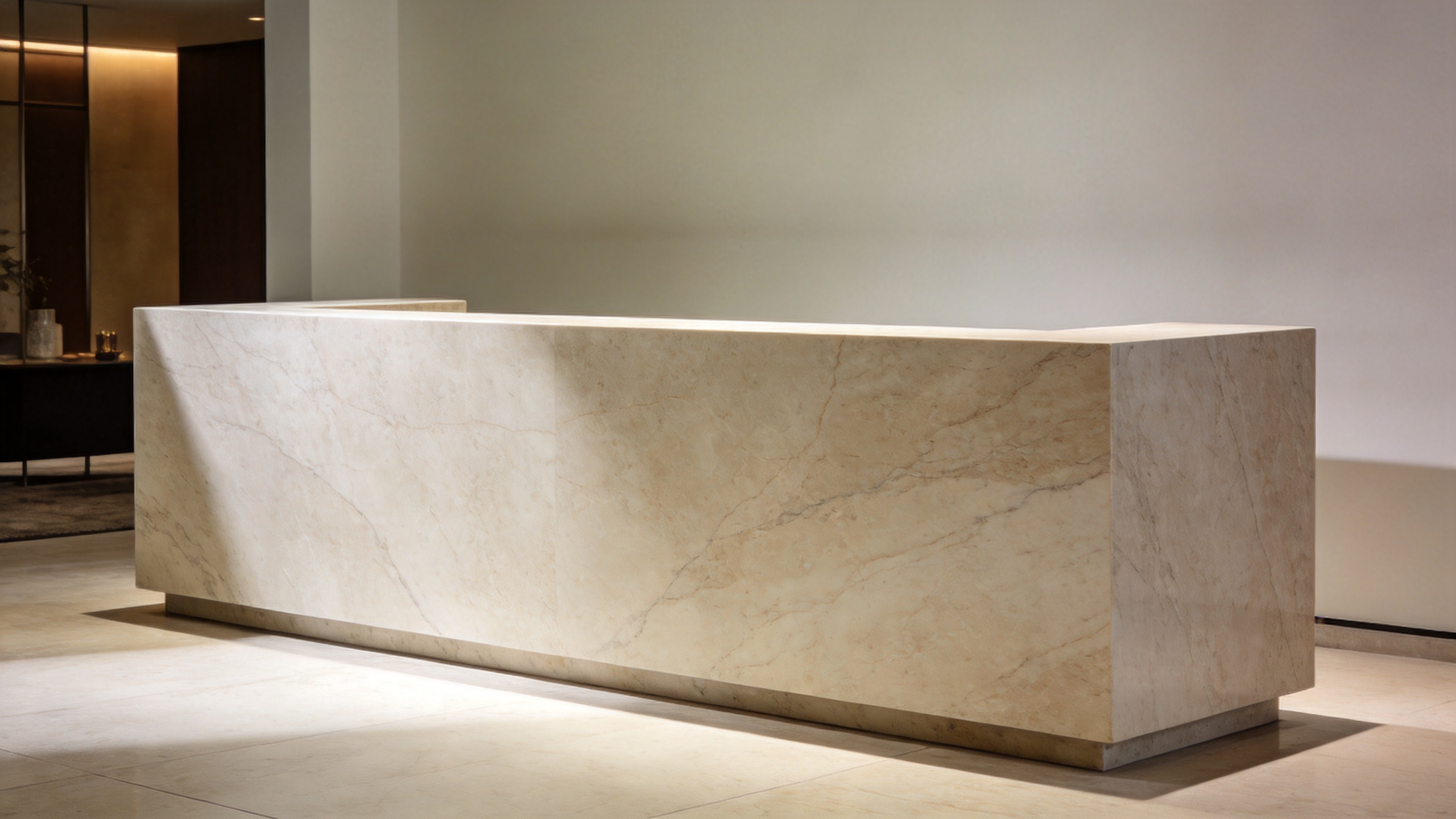
Natural stone countertops are used well beyond residential kitchens. In hospitality, they can define a check-in desk, cocktail bar, buffet line, or guest-lounge surface. In offices, they can elevate café counters, executive pantry islands, reception desks, and collaborative areas. Retailers may use natural stone at payment counters, product plinths, consultation tables, or fitting-room service points. Healthcare, multifamily, and public projects can also use stone selectively where a durable, cleanable, design-led surface supports the interior scheme.
Each application has different priorities. A busy service counter may emphasize edge resilience, support design, and a practical care plan. A reception counter may put more weight on visual continuity and front-face detailing. A food-and-beverage setting may require the team to coordinate sink openings, equipment interfaces, and splash zones. These are project questions, not reasons to avoid stone; they are reasons to specify natural stone countertops with the final use in mind.
Material selection should balance appearance, use, and care
There is no single stone for every commercial counter. Successful natural stone countertops begin with a material conversation that includes the desired visual effect, expected contact and spill exposure, cleaning routine, and maintenance policy. Granite, marble, and quartzite are all common categories, but their individual slabs and finishes should be evaluated for the intended location rather than chosen by name alone.
Design teams should also clarify what a lived-in surface is expected to look like. Some projects welcome the gradual character that can develop with use; others need a more controlled appearance over time. Discussing this upfront helps owners, designers, and facility teams align on sealing, cleaning products, routine inspection, and how they will respond to marks or surface changes. Clear expectations help natural stone countertops perform as intended in an occupied space.
Early coordination protects the design intent
Commercial countertop work often becomes difficult when key decisions are deferred until fabrication. Early coordination helps the project team verify slab availability, dimensions, pattern layout, thickness, edge profiles, seams, overhangs, substrate requirements, and cutout locations. It also gives designers time to resolve how natural stone countertops meet millwork, metal trims, wall cladding, and lighting features.
Digital drawings and fabrication review are especially valuable for long counters, curved elements, waterfall ends, and counters with multiple openings. Before a slab is cut, the team should confirm which faces will be visible, where joints can be least noticeable, and whether the planned design respects the stone’s natural movement. That process can reduce avoidable on-site changes while preserving the visual story of the selected material.
Specify the countertop as part of the whole interior package
Instead of asking only whether a stone is attractive, project teams can ask a more useful set of questions: Where will people touch this surface? What is the lighting direction? Which adjacent materials will make the stone look warmer or cooler? How will the counter be cleaned? Who signs off on slab layout before fabrication? These questions turn natural stone countertops into a coordinated scope that is easier to price, source, fabricate, and install.
For projects considering a light, expressive quartzite look, the confirmed product information for Taj Mahal Quartzite Countertops can be a useful starting point for discussing stone category, visual direction, and project requirements with the supply team. The final choice should still be reviewed against the specific project’s drawings, samples, and site conditions.
Why the commercial case is stronger when teams plan ahead
When material selection and technical coordination happen together, natural stone countertops can help commercial interiors feel more memorable, tactile, and purpose-built. Their value comes from the combination of natural appearance and project-specific detailing—not from a generic promise that one stone fits every setting. A well-planned stone counter can support brand expression at the first point of contact while remaining practical for the people who use and maintain the space.
For designers and procurement teams, the next step is simple: define the application, shortlist materials that fit the concept, review slabs and details early, and align fabrication with installation. That workflow gives natural stone countertops a strong opportunity to deliver a coherent result from design development through handover.